Planning & Environment Committee Meeting, 5 December 2023
Date: Tuesday, 5 December 2023 at 9:30AM
Location: Noosa Shire Council Chambers, 9 Pelican Street, Tewantin, QLD 4565, Australia
Organiser: Noosa Shire Council
Duration: 01:06:32
Synopsis: Pomona Place engagement endorsed; budgets and quick wins planned, SEQ Plan recognises village character amid growth, Environment Strategy progress with resourcing gaps, roadmap to zero underway.
Meeting Attendees
Committee Members
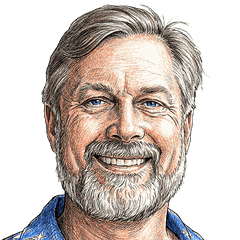
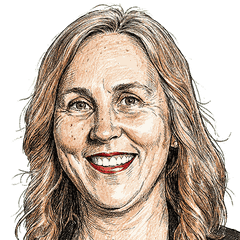
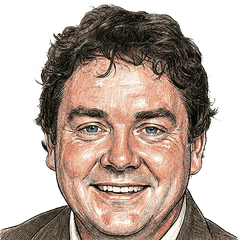
Tom Wegener Karen Finzel Clare Stewart Brian Stockwell Executive Officers
Acting Chief Executive Officer Larry Sengstock Director Development & Regulation Richard MacGillivray Director Strategy & Environment Kim Rawlings Meeting Transcript
Tom Wegener 00:00.040
Tuesday, December 5th, 2023, I declare the meeting open and acknowledge that we are on the traditional lands of the Kabi Kabi people and we pay our respects to their elders past, present, and emerging. We have no presentations and no deputations. And I note that committee members Brian Stockwell and the Mayor Stewart is in the room, but we will have, we have Karen Finzel, Councillor Karen Finzel online. And Karen, can you hear us? Unidentified Speaker 00:31.345
Yes I can, I thank you, Mr Chair. Tom Wegener 00:35.015
Okay, should, we need a resolution that Karen Finzel, okay. Seconded. Moved by the Mayor and seconded by Councillor Stockwell. Let's put it to a vote. All in favour? It's unanimous. Do I need to read that? In accordance with section 254 of the Local Government Act. I'm so sorry. Karen Finzel approved to attend the meeting. Dated the 5th of December, 2023 via Microsoft Teams. Again, I have a mover and seconder for the Minutes from the November P&E meeting. I'll so move my hair. Mayor and seconded by Brian. Let's go. Go. Yep. Yeah, let's vote on that. It? All in favour? Yes. Yeah. Thank you. Pomona placemaking pilot. We have Michelle Tucker here to walk us through this fantastic program. Michelle Tucker 01:40.356
Thanks, Councillor Tom. This report will provide an update on the Pomona Place Pilot. To date, including the committee engagement process and prevents a Pomona Place Plan Engagement Summary Report to Council for endorsement. Committee and stakeholder engagement was undertaken from the 16th of August until the 9th of October for a period of seven and a half weeks in total. Over 500 people participated in a diverse range of activities with 250 people completing our online survey which was a fabulous result. The project included a diverse range of engagement activities with the following consistent messages or themes coming from the community: Pomona is a special and highly valued place. The natural environment is a defining feature of local identity. Pomona is loved for its welcoming, close and caring community. Pomona is loved for its walkable scale, but people would like to make it easier to get around, particularly for pedestrians. Manage the impacts of heavy vehicles and trucks through the town and village. Provide more diverse recreation opportunities. For young people were identified. And people love and value Pomona's creative community and culture. And finally, supporting small local business was also a highlight of the consultation. So this report will also outline the next in the process, which include investigating the best process for developing and delivering a place plan in conjunction with the community and other stakeholders. Another round of community consultation once the draft is written. Some potential quick win projects and a monitoring and evaluation report on the process of the pilot. Tom Wegener 03:20.854
Thank you. Well, I think we great. Well, got a big one to start with if you guys are still working questions? On it. Well, I've got a big one to start with if you guys are still working on it. It's fantastic, you know, there's so much consultation. As a Council, we get this information back and it's a huge question, but what can we do to, I know that that's the next step, but legally, I guess like in our charter from the State to do these things because the people, the community wants this, yes, but are there other interests the stakeholders of the State, you know, wanting to increase our population here dramatically which may counter what, you know, what the people want in the report and there may be tension there. Is that something that you think about on the very big picture? Michelle Tucker 04:15.827
It is always something that comes out through community consultation depending on the community that you're talking to. There are a number of different processes we deal with all those so from a Council perspective you know we look at growth through the SEQ regional plan and the Planning Scheme we look at housing through our Housing Strategy so they the outcomes of this can feed into those separate processes but this process is a separate again this is actually about how Council can work better with the community and in partnership with the community so really out you know our mandate really is to work with community and that they own the process and they run the process so it'll be us working with you know our particular assets and resources that we have in conjunction with the community to deliver something that aligns with the values of community. Tom Wegener 05:01.741
Yeah so when it comes to the new museum and you know that the field in a small building like that we have a lot of say what happens obviously yes when it comes to private buildings we have slightly less say but when it comes to you know the pressure from the State say you're gonna put a lot of people here a lot more people than you have then we have even less say is that accurate so there's a kind of a gradient of what we can and can't do it and expect you know I guess the expectations of the people need to be in line with what we can and can't deliver and. Michelle Tucker 05:38.781
It's our role to actually inform that community as well and work with them in partnership to actually you know push back against those upper well in terms of you know providing making sure that our places are livable and in character and have their unique identity that they do but yeah I guess for us it's always that role of working with community through those higher state hierarchies and Federal hierarchies to deliver a plan that's unique for that community so yeah we do have a role but like you said it's um you know we're really mandated by those types of processes that sit above us. Tom Wegener 06:18.002
Yeah well I think it's actually you know you have something to say here because you know if you could say another community doesn't have this that this vast pile of information you know with actual responses from the community saying this is what we want so if they've you know if this if I was from above come over and say that to Noosa Junction for say you know we're going to do this what we don't have all this community input saying no we don't want that we want this and you can actually so it's actually a democracy demands that people get are listened to through the process and this can help them on again to fight against the bigger system as well as the smaller system. Thanks Kim. Hi. Thank you. Unidentified Speaker 07:02.380
Hi, Tom. Just to contribute to the conversation. Kim Rawlings 07:05.356
You're right, there are hierarchies of influence in terms of what we can control and what we can guide in a place. And when Council owns property or there's community buildings and things like that, there's a greater level of influence. Then there's a private development where the Planning Scheme can guide. Yeah. And things like the place plan can have influence around design, character, how the place looks and feels. And then there's things like the SEQ regional plan and state policies. What I will say is that we've been successful in getting Pomona identified as a significant place in the SEQ regional plan. And it talks about the character of promotion. Of Pomona and the village feel and the significance of the environment. So that's, we've had that enshrined in the SEQ regional plan. So yes, there are, additional growth coming to South East Queensland. And Noosa has had some pressure to share of that growth, but it is informed by our local capacity and what our Planning Scheme can deliver. So there's been a two-way process over the last couple of months where we've been able to influence that and definitely work like this, as Michelle's outlined, helps, you know, feed back up the line about the significance of our villages, you know, and Pomona obviously being one that we've got a spotlight on at the moment around how important these places are for quality of life and character and liveability for people. Tom Wegener 08:38.301
Yeah, so that answers the question that it is, yeah, realistic expectations for the people, what it can deliver, but the real thing is that when you could say, well, we've done this, and when somebody's up there in some higher office just saying, "Well, what do you know? Are you sure? " You say, "Yeah, we know. We actually really have this information down. This is exactly what we want, and this is where we're going to go, and this is what the community wants us to do. It's a big deal. So sorry, I stretched away from the actual report. Brian Stockwell 09:12.313
It's interesting. It's a question of clarification. In the report it talks about participants were also asked to vote from a list of words, I take it they were also phrases, that best represented their vision for Pomona in 10 years' time. The top five part was that standout was stand strong. Out, with a strong sense of community, and that was probably the reason we chose Pomona as a pilot, because that was sort of something socially connected. So it was colourful. And that's the only one that stands back to me and saying, is that all they were given? Like word? Like to choose from? Michelle Tucker 09:49.036
Yes. But then, you know, people were asked if they wanted to elaborate on what that meant. They wrote that down as well. So yeah, yeah. Brian Stockwell 09:55.787
It's interesting because, you know, to me that it's part of Pomona actually is the timber of the tin, not necessarily making of brighton. And so it would be interesting what colourful actually meant to the people. I think it was about people. Oh, you mean like character. Yeah, colourful people, eclectic people, you know, creative people, those types of things. Yeah. So that explains it. Thank physical colour. Not. Unidentified Speaker 10:21.536
Tom, Karen's got a hand. Tom Wegener 10:22.677
Oh, sorry. Karen, Councillor Finzel, please. Karen Finzel 10:26.201
Yes, good morning and thank you everyone for the report. It's a wonderful read and it's a good reflection of the town I live in and have called home since the early 80s. So I'm really excited. I'm looking forward to this. Brian, on page seven, in number eight, it says we're a vibrant, creative hub, and that might help understand the reflection of this colourful community and all the races. It's a very creative community. I'm very interested in looking at moving forward. On page four, we've got outline actions for delivery by Council. And community and stakeholders over the next 10 years. I'm interested in how we're going to map that out and how we're going to ensure that these things are implemented, budgeted for, and a time. Timeline to show the community that we are taking action, that we do stand behind what we're doing and that nothing will be missed along the way. When can we expect the outline for actions for delivery to come before us and how are we going to prioritise that? Michelle Tucker 11:34.612
Thanks Karen. So we basically will be after the elections we'll be going back out to the community to help us draft and prioritise actions. So we really will rely on the community's feedback to prioritise some of those key projects. I mean looking at the report there is a quite a few of them. So we really do need to look at prioritising and looking at the best value moving forward and what the community wants and the outcomes so that'll all come up through the drafting of the plan and so that will be a process which know probably through April /May in conjunction with the community and then we'll present back to Council with what the community has identified and that will also include avenues of resourcing and funding as well so that will sit within that plan and we'll have timelines associated with actions as well and so what will happen through the pilot process it's you know as an organisation it's a you know for us to look at as well in terms of how we these projects but they can then be identified in forward capital works plans or operational business planning as well to make sure that you know that's continued on and what's in the plan is delivered. Kim Rawlings 12:48.800
Just further to that Karen in terms of your comment about how will we track and how will we monitor so the plan might you know it would probably at least be a five-year plan yeah so there'll be annual reporting on achievement against the plan and as you know we have we undertake the liveability survey so we've got a baseline in terms of sort of indicators for liveability for Pomona so we'll do that survey again possibly twice during that period to help track you know to change and improvement. Unidentified Speaker 13:22.918
Thank you and then. Karen Finzel 13:28.176
Will that inform Council when it comes to budget like how soon do we prepare a budget and perhaps that's a question through to the CEO to deliver on the action items you know I have concerns having lived tip for term that, you know we had hardin Pomona we've had several things done in the past and some of those projects still have not been delivered in this community so I really make sure that we do a really successful rollout of projects here. And we can have a Council that our community is proud of and can say that we have action and delivered you know what we say we're going to do given the amount of time and investment that we have all put into the Pomona Place Pilot project and the engagement we've received from our community so I really want to make sure that we have you know really transparent process how we mark what we say we're going to do and how we're going to deliver it so through the CEO what assurances can you offer. Larry Sengstock 14:33.032
Thank you Councillor. This report and this the and next the steps will inform our budget process so our budget process starts almost now really realistically and we get it signed off in June prior to the end of the financial year. Starting the 24-25 financial year so during that period we'll be looking at this we'll be using this to inform our budget and we've got a feedback on that one we've one. Let's see if that's yours, Caroline. I that's think there's it. A microphone but on. That will inform our budget process anyway, and so we'll be looking at what projects we can physically deliver and make sure that what we do select are ones that are possible to deliver in that period. And, you know, this is a long-term process. It's not something that you're going to say, will we'll knock it all out in one year. This is over 10 years here. So this is, you know, making sure we take off the bites that we can actually deliver on and are most effective in the short-term and then medium and long term. Kim Rawlings 15:40.846
Just adding to that, we have got some funding this year, Karen, to do some, Councillor Finzel, to do some quick wins. So we will look to how we can start the process in terms of getting some quick wins. And we've always maintained through this process that the delivery of this plan can't be funded through Council alone. It is about community. It is about business. It is about grant funding. A whole range of sources of funding will be looked at in the development of the plan to help state agencies, all of those sorts of things, to help implement the actions of the plan. Karen Finzel 16:19.309
That is fantastic. I love the collaborative process, and I think that is a great way of leadership moving forward. The main thing is accountability, that we do uphold our wording community, and that we ensure that what we say we are going to do, we are going to deliver, and we are going to deliver in those time frames. So I want to ensure we have excellence in Council, and again, it's not just rhetoric, but we action what we set out to do. So I'm looking forward to moving ahead in the future, and definitely looking forward to those regular reports back to Council, strong connection with community, and looking forward to further consultation to achieve the collective goals that we're seeking through this project. Clare Stewart 17:02.057
Thank you. Have a question. Kim, Thank you. Very much for this. Question in regard to, you know, feedback. There's a lot of young families that have moved into Pomona, you know, younger demographic. What was the narrative around a couple of things? What was the narrative around a couple of things? Housing, affordability. I know this is, I know we're doing a place making, but it all ties in, because that then determines transport, it determines car parking, it determines the whole kit and caboodle. So what was the narrative around that? What was the narrative around ecotourism? Was the narrative about driving business out there and small business and providing jobs? Michelle Tucker 17:42.410
Yeah, so I guess in terms of with younger, newer families, there was a strong sense of housing affordability not being achievable and pushing residents out of the town. In and it also came up around aged care as well to the other end of the spectrum. There's no, you know, where for people to transition and stay in community once, you know, they can't independently live. Anymore. So so that was a key thing. You know, for young families it was the selection of beautiful parks and playgrounds and things. Everything was walkable and easy to get to. The schools, you know, were easy to get to, but issues came up about children getting to and from school to town. So that was a critical thing that came up time and again with young families. In terms of business, what they came out with pretty much aligned with the general community. Character identity, they really want to promote local business and work better together and really invest in the town in health and well-being and those types of things, so really put Pomona on a map that it's really caring for its community and the business community are aligned around that. In terms of tourism, it was a mixed message but people really want, if people are going to come out and go to the markets and things like that, they need to be respectful and understand that this is their home and they're happy for people to come provided it's not overrun the town and they respect the town for what it is and its values. Clare Stewart 19:18.901
So if they want to put Pomona on the map. Is that meaning they want health and wellbeing retreats or like because health and wellbeing was such a big part of this. How do they want to put Pomona on the map? Some would say they don't really want to. I'm sorry I just thought you said that. Michelle Tucker 19:39.053
They do oh in terms of if tourism is going to happen and in a sustainable way in the town they want it to be done in a way that reflects their values and so yeah so sustainably within sustainable limits and that goes for you know traffic and transport. And getting to the and one. Clare Stewart 19:54.686
Pomona more known on the map is something that is a really a great place to live, the amenities are really. Michelle Tucker 20:00.361
Good, that's what you mean, okay got it. Unidentified Speaker 20:07.706
I'll second that. Brian Stockwell 20:10.007
Yeah it's a good report and it's a good outcome I suppose in terms of what the consultation tells us. Think it does, you know, your top five points really focuses in on what the main is all about, you know, if you look at numbers, special place, heritage and charm, small town, you know, natural environment, the mountain. Defines the character. Clare and enclosed community. You mentioned the walkable scale, and yeah, that's one thing I found. I was only a two year interloper in town, but I found that my dog really appreciated it because he's got about four times as many walks as he does now. And my waistline also benefited from that fact. But yeah, that is a big thing for Pomona, is that walkable, rideable scale. And you know, it's one thing that we can build on. It's one, you know, classical thing to do with a placemaking plan. The other one, obviously, if everyone knows about the heavy impact, maybe tongue-in-cheek, a short, quick wind project could be D2 or so and so heavy. But, you know, there obviously is but, an issue to be addressed in traffic calming and things like that. You know, there won't be quick winds that have to be designed, but they're the things we can do to make sure that walkability isn't ruined by a type of traffic that is inconsistent with what we're trying to get to. Think there is a lot of pointers in there for good placemaking. I think there's some areas that will require the community to go away and build down to more, but yeah, I think it's a good outcome and I'm sure that we get to evaluate the process. Next time, or as in Council does. It has been a good pilot in terms of some of the learnings about how to consult and community expectations and the difference of engaging people in small towns versus big cities, etc. you and you, have fun. Move on. You, we'll move on. Tom Wegener 22:05.080
Quick question. Well, it was noted a few times of supporting small local businesses and for empty shops that aren't being used to you facilitate. Know you some business or a community to go in and use the empty shop. Is that on the record? I mean I didn't really notice that there are many empty shops that are there? Michelle Tucker 22:25.722
There's a few particularly down Station Street around the corner but that was really about you know activating footpaths and things like that and giving you know small business a little bit of a startup so it's there's similar programs run across Australia where there's kind of a relationship between the business owner the landowner and people wanting to do use that building for a small time while it's so that'd be something that we probably would investigate further with the chamber around how do we activate those shop frontages in times when there's no business active tenant in there but that's something we can investigate through the process with them. Tom Wegener 23:08.176
But I would recommend you know doing that I know from my surfing life my friends would open up surf shops in you know abandoned buildings and so forth and I said you know why the building by the land so we can't afford the land well of course you know the surf shops there that the active artist business is there in the land vale you skyrockets it happens each and every single time so I hope that the business owners realise that actually by putting some active community business in there that supports the community they actually increase their land value and as soon they'll be rented up and then the poor people that went in cool will have to leave and go someplace else and such is life um next is I think um so the a message going out like what next at an easy win might just be support your local business with your wallet like I go to the bowls club the Pomona Bowls Club is you know it's a fantastic place it is a piece of history you know it's nearly like the Majestic Theatre it's almost a museum it's fantastic but I did it's just empty and I know that the chefs kind of come and go from there it seems um due to lack of actual public support and it's you know really really nice and so I'm hoping that for perhaps um you know if you love Pomona spend your money there because that's what it actually takes. Unidentified Speaker 24:28.975
You. Karen Finzel 24:29.195
Yes thank you um thank you and on the back of that I just like to make a comment you know when heritage is um being prioritised I'd to just raise. Like to just raise um the point about you know we have got a heritage museum sitting in Factory Street that's part of our heritage walk um and for some time the um the issues around maintenance and safety to you know going to the museum the front stairs you know can't be used so I think like you know Council if we're going to deliver this stuff I would like us to get a report and a review of where we're moving um and these are things about the action items this is where community uh you know we need to engender trust and go yeah we can all sit around this table we can talk about all this good stuff and it's fantastic I love the aspirations where community wants to go but as a Council I feel we've got to deliver practical solutions and surely, you know what I you know when we talk about a short-term delivery of something surely the front stairs of the museum could be something that can be prioritised so that when people come to visit our town and when we have a town that we proud of that we want to promote as a heritage place to come and enjoy I think surely we can look at things like that as an easy win for-win outcomes for our community and visitors alike to the region and to promote that a if we are heritage town that we actually value and appreciate that so through the CEO I'm just wondering is there a way that we can action that as an operation as moving forward into the new year. Larry Sengstock 26:11.959
That comes through the budget process Councillor, they're the initiatives that are brought to the table and if they get the support of the Council through our limited we have got limited budgets but if that's the case it becomes a priority then that's where it gets taken up. Karen Finzel 26:27.501
Thank you and just moving on from that can I also request review of the Heritage Levy and the policy to see if there's a way that we can have review of that to look at how we can better support the Heritage Levy and how. Larry Sengstock 26:45.768
We use it I think that's, sorry Councillor, that's something that we need to bring to the table at a future meeting or outside of this meeting that we can discuss. Karen Finzel 26:58.159
Alright, I'll withdraw that, I apologise. Larry Sengstock 26:59.761
No problem, that's alright. Thank you. Brian Stockwell 27:03.352
If anyone in the room can answer. My understanding is the museum is under a lease to the community group and the question is whether it's, in some of those, we're responsible for maintenance and other. Larry Sengstock 27:16.903
We'd have to look at that. I honestly don't know, so we would address that as part of the overall investigation of it. Tom Wegener 27:22.628
I'm going to raise a comment as a question. Did you know that Mexico has more museums in Mexico city than any other city in the world and it is booming? The culture is so much stronger and more positive than it was 30 years ago. Did you know that? Clare Stewart 27:39.952
I didn't know. Thank you for that question. Every day we like to learn something new. I do now. Tom Wegener 27:49.101
Museums are important, just back to what Carolyn was saying. That yeah. Okay any other no thank you. Clare Stewart 27:57.234
I have finished. Thank you. Really good report. I appreciate all your hard work and great community feedback too because this is a lot of weekend work. This is a lot of out of time so I really want to acknowledge that and thank you. All. Tom Wegener 28:11.331
In favour? Karen? Yes. Take care of you unanimously you, Sir. Thank you. Sorry. Michelle. Absolutely Michelle. Next we have our favourite monthly delegate. Monthly delegation of a--- Mm-hmm. Oh, wait a minute. I'm afraid. Yeah. Yep, you're- Yeah. Planning application-- decided by delegated authority. And we have Patrick Murphy here to walk us through it or just probably ask for questions. Patrick Murphy 28:54.208
Yeah, as you're aware, it's a monthly report detailing all those applications that were decided on the delegations. 32 were decided for the month of October, which one might have been decided by Council. Tom Wegener 29:08.684
This. Just give us a moment to find it in our notes here. What page is it here? It's page 89. It's a bit page 89 of 290. There we go. First, I've got to ask you about number seven, a windmill that's 15 metres high. That's right. Patrick Murphy 29:37.405
So it's a 36. It River Park Drive? I think it was. There was a windmill that was constructed without an approval. It came in for retrospective approval. A piece of infrastructure that's not a building associated with rural industry can be 15 metres in height. This was just over 16 metres in height. For all intents and purposes, it's probably negligible in terms of its appearance to that type of structure. It was supported. Tom Wegener 30:08.918
Brian, are there many other windmills that you've come across in Noosa Shire? Brian Stockwell 30:12.300
Oh, there should be more. I'm just wondering. I'm what triggered it? Patrick Murphy 30:19.356
I think it was a complaint. Someone observed it from the waterway. Tom Wegener 30:26.848
You don't have good answers. That's right. But if they're under 15 metres then is it code-assessable? Patrick Murphy 30:33.647
It would have been accepted development. Tom Wegener 30:38.294
Yeah. Any other questions team? Number 13, that's Attunga Heights. That's a different address than what we're looking for. Patrick Murphy 30:59.280
That's correct. That was seeking exemption certificate, this one, at 24 Attunga Heights, a different address to the court case, yeah. Tom Wegener 31:08.701
I was making sure. I didn't try to pull a fast one. No. Anything I said? I'll move this. Second it. Karen, any, a little bit late, but Karen, any questions? No, no questions, Mr Chair. Thank you for asking. Okay, let's put it to the vote. All in favour? Yes. Okay, it's unanimous. Thank you. Very much. Great, we're up to the whopper Environment Strategy monitoring report, year four. We have Camille. You can just let loose now, because you have nothing to lose. Because Camille will be leaving us soon. For elevation. Camille 31:54.854
Oh, no. I don't know about elevation. Just a different approach, I guess. Good morning, everyone. I guess we went through it briefly in the workshop. But the report presents the outcomes of the Environment Strategy review and the implementation plan review for year four, which is for the 1st of July 2022 to the 30th of June 2023. So the report presented Council's progress against the 12 targets and strategies nominated in the Environment Strategy, as well as the actions, the progress of 42 actions nominated in the implementation plan. So overall, most of the strategies are progressing towards their targets with several strategies being on target for completion. There were five strategies which are currently unable to be assessed due to insufficient monitoring data or monitoring methods currently being unavailable. In terms of the 42 actions, two are complete. 22 are on target, 17 are progressing and one action is scheduled for the future and there were no actions requiring attention noted in the report for the last financial year. So in terms of the key highlights there's I guess, there's been over 1.78 million invested in community organisations through the environment grants program between 2019-2020 financial year and 2022-23 financial year. Forty-three percent of the Noosa Shire is currently being managed for its environmental values. The private conservation partnerships program including Land for Wildlife and the VCA's continue to grow which is fantastic. We also an acquisition of a 69 hectare property at Federal last financial year and we've almost completed the fine scale vegetation mapping project as well which is due to be delivered in December this year. The Noosa Oyster Reef Project also continues to indicate success and there's an increase in subspecies richness between the 22 and 23 surveys. Again there's good progress made in the diversion of waste so with by 7% between 21-22 financial year and last financial year and we're on track to meet the State target of 61% diversion by 2025. Our greenhouse gas emissions have also decreased by 2.3% and over 790 kilowatts of solar has now been installed on Council buildings and facilities which is an increase of 100 kilowatts since the 21-22 financial year. So the other thing highlighted in the report obviously resourcing for Council staff moving forward to ensure that we can continue to meet the targets and actions of the Environment Strategy so we had nominated those in the finance section of the report but the wildlife, sorry, the fauna management officer who is his contract is due to expire this financial year so we have put up a budget submission seeking an ongoing permanent role for a senior wildlife management officer as well as ongoing positions for the conservation partnerships officer and a flying fox management officer moving forward and. Also need to include an additional item which is to authorise the CEO to make minor amendments prior to the publication. We've had a couple of minor errors that we've just picked up in the final review so yeah. Larry Sengstock 35:58.165
Which is pretty standard for our recommendations. Camille 36:00.608
The size of the report is always going to be a couple of typos or whatever. Unidentified Speaker 36:08.088
Yes, that's right. One of the Councillors are happy to add that. Tom Wegener 36:13.502
Oh yeah, do we move to add this right now? Yes, that's item D. Okay, should. Do we to that out? Would the mover want to read that out? Brian Stockwell 36:25.998
Just a part two. My only question, we haven't had anyone request this goes to Jim? No. Tom Wegener 36:32.986
Nobody's requested it to their channel. Brian Stockwell 36:35.790
So I had a few questions before we moved it anyway, so. Tom Wegener 36:38.894
Well, so we haven't actually moved, I just. I asked, do we need to read out just D, which. Oh, okay. You want to move it moving now. Brian Stockwell 36:48.687
I'll move it with the addition of D which reads authorise the CEO to make minor amendments prior to publication? Yes, I'll second that. Tom Wegener 36:57.989
So where are we? Brian Stockwell 36:57.989
So that-- I'll reserve my right to talk to the motion. Tom Wegener 37:03.509
Yeah, this is a very small procedure. We actually want to get back to talking about the report. To get back to the report, one thing I think that I've noticed is Dave, I think Dave O'Gorman you know, he spent a lot of time with flying foxes this year. And so it seems that we're often caught in a situation where we have somebody that's doing other stuff who all of a sudden has to deal with this, which is a huge problem. To a small amount of people, but it's quite a problem and it takes a lot of resources. How would you respond to that? Can we be more pivotal, uh I guess, to speak in the future so that projects that we want to happen aren't delayed because our small staff has to go off and deal with an emergency for months? Camille 38:03.195
I guess it's one of the things that's been highlighted in the Environment Strategy. Obviously Council's role has changed since 2019. Legislative requirements have changed which have put the responsibility onto Council to manage flying fox influxes so that I think the resourcing impost on Council has not necessarily been considered by state. The we have spoken to Department of Environment and Science about whether we could use they've got a huge bucket of money for flying foxes whether we could use that to fund a flying fox officer they've said no unfortunately so as you say I guess it's having good comm strategies in place when we have these influxes as well as clear I guess delineations of councils Council's role and our limitations in terms of what we can do during an influx so yeah it's one of those things we could get an influx of little reds you know Wallace Park or somewhere else and unfortunately it just means that I think you yeah we need to put projects on hold to address those influxes at the moment until. Kim Rawlings 39:08.453
Yeah yeah I think what that's absolutely right there's a bit of you know legislative change in cost shifting essentially but also the nature of the environment portfolio and here we go Ben Derrick the manager of the environment may want to comment on this but the nature of the portfolio means we're both strategic and operational which means we're you know we're doing long-term planning for our Environment Strategy is our guiding framework but we also have to be responsive and reactive and you know whether it's to flying foxes whether it's to algal blooms whether it's to bushfires whether it's to you know that's the nature of the portfolio needs to be across both and I'm not sure that's going to change Tom we just need to find a resource capability that's can work between both of those and you know we're in a we're in pretty good shape. Other than the areas potentially that Camille's highlighted in the report around some emerging ongoing resource requirements based on what's happened in the last couple of years you know where we thought we could put some temporary resource to it and it's an ongoing issue. Those are a couple of areas need to be considered and then if you want to comment. Ben Derrick 40:22.532
Yeah addressing the question Tom of are we putting at risk when we have staff effectively check out to be able to focus on issues like client and you know while marine strandings might be another one, algal blooms is another one we've got a different members of staff do that so it's about well risk mitigation yeah that's right so it's about risk mitigation as to what programs are we not dealing with while we've got staff focused on those and we saw what year we with see with FlyFox fox is that Camille and Dave pretty much checked out for two months and so there was a whole range of continuity programs that we had to put on hold I think Camille's probably dealt with a lot of backlog over the last six months of getting back track with reporting that we've been doing you know these reports are a prime example that there was a lot of work done at the back end of it I'm just purely because we had staff that were allocated to a priority project now let's say in a scenario we were going to have additional staff to come in it's not as if they'd be sitting around redundant with nothing to do waiting for that response there's enough work to be able to get through that we need to be able to address we you know threatened species and a lot of our other programs conservation programs and partnership programs that we need to be able to deliver so so it's a you know it's the public sector and local government thing of how much work can we get resources have we got and where do we draw the limit additional resources we'd definitely be able to get through more if we don't have those additional resources then we are vulnerable for some of those programs to be delayed things like flying foxes which is again now and we've you know we received an email yesterday at they're coming back you know that was the coming back you know that was the big issue yesterday last year yeah so so they're starting to come back we know that they may choose that as a preferred roost and this is the reds we've got some very very nervous community members and residents and so we need to be really reactive for that so we're getting starting to get our out resources lined up yep we need staff focused on that. Kim Rawlings 42:26.416
I mean in terms of being reactive yes but what we have been able to do in the last 12 months is get very proactive around Waratah particularly so we've done a flying fox management plan you know we've got a clear plan of action there in terms manage and maintain that goes so far you know there's still community there's nuisance in the community and amenity impacts that you know a plan can only go so far to manage. Camille 42:53.231
And I think having that additional resource of a flying fox officer you know they've seen it down at Sunshine Coast you can get out there do that community education and awareness I think that's a big part of it and we went through with the Statement of Management Intent as you say doing that proactive engagement getting that increased understanding within the communities is really key because unfortunately there's only so much we can do with flying foxes in terms of management so yeah it's about increasing that tolerance within the community as well yeah. Tom Wegener 43:23.860
Questions? Councillor Finzel. Karen Finzel 43:28.401
No I don't have a comment, thanks. My head's not up. Tom Wegener 43:33.141
Yeah just throwing it out there to the okay um. Brian Stockwell 43:36.807
Thanks for asking Mr Chair there's lots of great work that's been calculated and recorded what I'm looking for at is um in regard to our parking in terms of climate change and emissions reduction um we by the table on page 125 of the main report the main report, we've managed to reduce those for over seven years by just under 21 percent but our target is to get another 80 percent um in the next three years and look and I notice that some of the things that have reduced the appear to have reduced the um the amount we've reduced in the last year was perhaps changes of what we can can't and count the things that are beyond our control in terms of emissions but then again I look further down and notice there's been a offset plan has been produced but I don't think that's come to Council so is that because we haven't worked out from what the consultants give us where we're going and we don't appear you know I think there is a the assessment of it somewhere it suggests that um there's work to be done if we're going think to meet the target um I think there um there is a lot of it but have we got a sequence plan from here on in to how we're going to get to zero emissions or what are the scenarios on that for example what won't be in here is we've now got to the Waste Strategy some of that's pretty exciting that's what we're not going to do before 2026 maybe one of the projects we're looking at in terms of a large solar farm out there may be by 2026 but have we got an agreed step forward on that or is it something that we need to bring forward to Council to actually look at that and say well what is the sensible financial way ahead to achieve this. Kim Rawlings 45:37.582
Yeah there's been a lot of work done in this space Councillor Stockwell and we had a strategic session with executive last week for two and a half hours on the Roadmap to zero. So yes, there has been a report done, a technical report done on options offsetting, which I believe was actually presented to Council in a workshop. Pangolin report. Some months ago, I think in about December last year. And that presented, you know, discussed a whole lot of options. We've been weighing up what those options are. But yeah, absolutely. That Roadmap to zero. Now we've, like you said, the waste strategies got some innovations and approaches in it. We've gone through every one of our scope areas and for what we might be able to achieve in the next three years. We're, betting that down. We execs were around a whole lot of options and questions and challenges and last week, but the next step will absolutely be to bring that to Council to go, this is what it looks like. This is what it's going to take if we, to meet our 2026 target. Brian Stockwell 46:45.429
Yeah. Thanks for that and apologies if that must be one of the few who worked up on this. Unidentified Speaker 46:51.417
Yeah, it was, I think it was about 12 months ago. Tom Wegener 47:00.171
I've got just a bigger question to Ben. We talked about the various community groups, you know, their involvement in developing and working with the Council to achieve the goals and I see the Council working with Tourism Noosa and across the board with the tread lightly program and all these different ways and planting trees and so Tourism Noosa and the volunteers, there's a gradient between Council, community group, volunteers, people out there and then with ZEN, it's tremendous how you have Council, community groups, ZEN, volunteers, all the different stuff they do is fantastic and how it complements with the Waste Strategy and I'm hoping that people also come on board you know maybe not a community group but you know that they get involved and all that and then going back and in knowledge maybe they'll talk about that important and we talked about how to bring your community involved to help us achieve these goals and then of course I'm going the agriculture and I'll hammer on that forward and ask some questions about that but do you see a way that could happen because we one of the in the very end here it says that one of the recommendations is that we need to there's work that needs to be done in the agriculture side of things and there isn't a group there that's like ZEND or like tourism reserve or like the Noosa Biosphere Reserve Foundation and I guess that the big question is how do you see community groups and the community becoming environmental involved in reaching our strategy goals? Ben Derrick 48:36.108
Yes, a few different questions there Chair. I guess with the agriculture aspect which is more of a start-up there in terms of facilitating a formal structure and support for community members to be involved that's more of a start-up program the Council may be able to get involved in and utilising the community groups I think ZEN is a really good model for that where horses by Council, seated by Council, the small investment that Council has made has delivered a range of projects which far exceed the financial investment and so using that as a model I think there's a range of different community groups that could really facilitate for that where Council could enable those groups. Through governance support or financial support just to be able to function as an organisation and partnership programs or the MEC our alliance programs can be targeted towards that and enabling that. I guess the next step then is partnership you know partnership agreements which is similar to NBRF as an example which is a little bit more investment and a little bit more guarantee that investment as well and so it's picking those areas that we want to be that Council can enable making sure there's a groundswell of support and the intent for good governance and broader community involvement. I think agriculture is a really good example of that. How that looks and feels. It would need a strategy sitting behind it as to where are we targeting. The notion of growing local, using local, whether it's backyard, whether it's small lifestyle blocks, whether it's broader agriculture, which is stepping into industry and primary so we need to be able to make sure that we know where we're pitching that, if we are stepping into that. So in broad context, yes, partnerships are great, because the investment from Council, if well managed and well delivered, can provide a much broader benefit to the Shire, but the enabling mechanisms have to be there. So we need, I think we need a strategy sitting behind that before we start looking at investing in that. Kim Rawlings 50:46.363
And we have started work on a strategy in sustainability in ECDEV. As you know, Tom, it's a key. Objective and goal of our Corporate Plan to look at, you know, rural futures and agribusiness and agri-hub and that sort of work. So this strategic piece has started. So all of these issues will evolve out of that. Planning process. The only other comment I would make that you referred to the importance of our volunteer and community organisations in terms of achieving our. Environment Strategy. It would simply not be possible to achieve the outcomes that this been achieved through the strategy without the community organisations and our volunteer organisations, whether it's bushland, whether it's NICA, whether it's I don't want to miss anyone, ZEN, biosphere, you know. All of them. Honestly. And they were very involved in the development of the strategy, so they were embedded in the development of the strategy, we had a number of round tables in terms of prioritising and building the partnerships, which I think has been a fundamental critical piece to the success of the strategy that our environment community organisations and volunteer organisations were involved in its development and setting the objectives and that absolutely been involved in the delivery of it and this report, you know, celebrates and highlights absolutely so many of the objectives and targets have been achieved thanks to the incredible work of our community organisations. We simply couldn't be doing it without them. That's why things like our environment grants program is so important because it does seed fund and create some capacity and we.the return is so much greater than what we invest. Absolutely. Tom Wegener 52:32.935
That's Councillor Stockwell. Brian Stockwell 52:35.069
Yeah, I'm not going to try and pose it as a question. You can't partly answering your question. Um the baseline for agriculture which was something that. Is something that the State government has done in the past. So my team who looked after. Sustainable agriculture in South East Queensland, all the projects we do would create the baseline, would record the uptake of best practice and if there was some grazing land condition then that was published for a couple of years. So there is some. The Kin Kin catchment one of the projects we did up there. It appeared. I've been thinking about this recently. Part of the problem is. Department of Agriculture and Fisheries now don't see boutique agriculture, small-scale local agriculture, in my view. There's always a challenge. They work with the big end of town, the industrial agriculture. I think that's a failure of state government. And also, thinking I was the other day after we had the health the land and water presentation about how the report cards evolved. And I thought that if we, you know, part of our Shire, the Mayor is in the reef catchments, they have a very advanced system called the paddock reef monitoring program, which records not only the uptake of practice or the change in lean condition, but they then model it to say what does that mean in terms of water going out to the great barrier reef. It is another aspect that we probably should be looking to at larger scales. Say, well, as a region, why doesn't South East Queensland have the same system? So to me part of the answer to our problem of not being able to measure progress is that at a regional and at a state level, they aren't investing in our priorities. And I think we should their be bringing attention. Camille 54:34.854
No and I think I've spoken to Cheyenne about this as well I think the methodologies are there it's just as you say there's gaps certain gaps within the Shire where we need to have a look at undertaking those field surveys so yeah I think the data is there having that strategy to pull it together and identify which is the most suitable method. Brian Stockwell 54:52.401
Then we all that data historically is collected when there is active projects. If you've got a project says what is based on it but you know there are segments of you know particularly the batik agriculture the sustainable horticulture where there is no one providing any specific um support to this so there's no projects-hmm to record progress. Tom Wegener 55:16.466
Right that is a that with agriculture that is a big problem I mean the agri hub put out a questionnaire and the feedback we got was you know just sceptical of what are you asking for you know I'm not going to give you this information you know you can do what I'm not gonna give you my address and with I think that were it's just it's a funny group of people that are out there that are protective you know they don't want to be they don't want to put their head up because they're on their feet they're fearful so that's something we need to address. Brian Stockwell 55:48.424
Yeah one of the options that we did actually first pile up in that project in Kin Kin and then going towards Gympie was a citizen science type measure of carbon which is of interest from regenerda but from interest terms of emissions. That's something that we could look at. It's something where the analysis is done, can be done by the likes of a capital committee. It was a process that you don't have to send away to the lab therefore it was less expensive. It was pretty accurate. To show you so that's the sort of thing we can look at, you know, to link in because obviously they'd be more interested if they're finding out whether what they're doing with their farming is actually achieving better soil organic matter. And for us it's about, you know, if we're keeping organic matter in the soil and it's not going up as carbon into the atmosphere. So things like that we can look at. Tom Wegener 56:40.867
Would you say the accounting for nature, we had that presentation, is that on track with what you're saying? Like they're looking at it saying well there's actually money to be made just by keeping the carbon organic matter in the soils that are going up and along with biochar as well. Had to throw that in. Larry Sengstock 56:57.436
He's waiting for us. Brian Stockwell 57:00.729
The professor, and I'll be out of the game for a while, the professor at QUT was doing all the measurement of our agricultural emissions and all this. And one of his PhD students from every book, he developed this test. Happens to have a brother who still lives in Noosa Junction. So he's here quite often if you want to meet and chat. Okay, let's do that. It's gonna be content. Unidentified Speaker 57:20.958
All right, amazing. And quick. Tom Wegener 57:23.424
Do you want to speak to the motion now, if you could speak to the report? Brian Stockwell 57:28.700
Only to say that I think the report and the two-year, the analysis has been very comprehensive and as I read through the report, it's clear that there's a meaningful progress being made on a majority of those strategies. A Council we can be happy with those. Obviously, some of the, you know, to me, why I raise the climate issues as an example of where I think we're not doing enough is that's what causes climate change. Is the whole world focuses on the proactive, on the emergent, and the longer-term threats to the environment are put off. And that's the whole thing is that people can't see it from one day to the next, therefore it gets kept on that's fugitive emissions into the atmosphere that is going to have the most significant impact on the Noosa environment over the next 50 years. So that's why I raise it as, you know, if I was going to change the rating on any of those, I would move that one to red. I'm happy that we're doing what, you know, the staff who have got their budget are doing an exemplary job of doing the best they can, but I think as a Council and in the next Council, if we're meaningful, we're going to meaningfully address biggest problem that the environment faces at a local level, noting that taff doesn't have a global scale, then that's one the next term of Council is really going to have to grapple with. As I said, there's some great concepts we're working on with waste, where 60% of our emissions are coming from. Problem that the environment and there's, to me, it's innovative thinking about the way we value things and how we fund things. That's where the next Council can really focus on. So it's not a huge impulse on the rate rapier it's actually a way of doing business that accounts for the cost of pollution. Unidentified Speaker 59:24.938
It's actually a cost of carbon. Tom Wegener 59:29.473
Good, I'll speak to the motion. It's fantastic. I report. My god, you just can't believe what, how much is happening when there's this big of a report. It seems to be much bigger in comparison to other things where you only have a small group of people down there, you know, downstairs. I'm hoping that when you get it, much bigger, more eloquent places to work soon because it's pretty small. You guys have an office down there. And I think that what you do is fantastic. Of course, the whole Shire is your office, I guess, in a way. With what Brian was what Brian was saying we have god, professor Ian Lowe you just want to, you know, in despair after listening to him for a while because he says, you know, he's been writing about climate change for a long time. He says, well, back in 1987 when he started, um and looking at the hurricane that hit Darwin well that was a two and he said at that time he said someday there's going to be five point um cyclones of you know five category five and now that they're category five every year and he says the problem is that when you have a category five cyclone similar to what hit acapulco is you have a four metre tide on top of that so you have a push of water that's like a moving tsunami coming through because the low pressure water moves up and you can go four metres in the category side and if it happens to be high tide through Noosa would have a Fukushima situation it would just be could be drastic so the you know but he says the whole climate you know we it is like Brian says it's level red you know we have to do as much as we possibly can each and every person as a part of being a human on this planet this is what you got to do individual responsibility for everybody but aside from that my gosh is it it's a great report and I'm looking forward obviously to the um agriculture side of things because I think that incredibly important for climate change for sequestering carbon for our sustainability for our climate change response plan for our community and I got to go back to la Bradley during COVID they um you know people didn't want to come to the markets to get the food and so they were calling and they realised that most of those people were so old that they actually could call the phone tree where everybody would call up somebody constantly and they had the list of a couple hundred people were called and only one person died during that time but you know had been and they found out about it through the phone tree but that's how these communities kept together very vibrant and feeling a you know a sense of community because of this the agriculture because they all need food. And that you know so that I think food is a very very important way to maintain a tight community which is what we need for a climate change response what we need to move forward to make to maintain our well just to maintain our standard living or our quality of living not standard of living. Brian points out to me that's not a standard of living it's a quality of living so thank you very much thank you for your hard work thank you for your continuing hard work and we're really really proud of the report and Camille thank you for being with us for the time you were because you are just fantastic and all the best for your next job in the Federal government, please do not forget about us we've there's already been talked about saying yeah Camille is there, we've got it. In. Thank you so much, I really appreciate it. Anybody else like to speak? Karen. Yes. Karen Finzel 01:02:53.473
Thank you so much to the team and Camille for a comprehensive report and look. At the future, how we're going to adapt to climate change and resilience in our communities. I really like the engagement with our community because I'm always interested in social aspects and how we as people engage with their environment and we live in harmony moving forward I love the idea that we can increase community resilience and capacity act and I think the responsible. Tom Wegener 01:03:29.228
We seem to have cut out. Oh sorry can of you hear yeah here we go any that we can hear you now do back to the beginning no just maybe 30 seconds last. Brian Stockwell 01:03:47.546
We heard was community response do you want to go back to the beginning? Unidentified Speaker 01:03:52.929
No, no no just maybe 30 seconds that last we heard that and people. Karen Finzel 01:04:00.156
Living in the people living in the Shire. Tom Wegener 01:04:05.804
Karen, we got a bad connection I'm sorry can you hear me? You keep skipping out. We get about every fourth word. Clare Stewart 01:04:15.556
Alright, thank you for a great report and all the best Camille. Thank you. Karen, we heard that. Thank you Camille, I just won't hold up anyone else's time, I'm just going to reiterate whatever has been said. Thank you, appreciate it and all the best. Camille 01:04:30.753
Thank you, thank you. It's been an honour to work with this Council, so thank you. Brian Stockwell 01:04:34.998
Good stuff, well done Carol. Thanks, Sarah. Close, and it's only just when you're talking about fresno Presley and Lowe and the impacts of storm surges, and certainly we've had that potential in Townsville with one of the large cyclones where it had, as predicted, hit at a high tide, there was going to be a very significant wave of a magnitude. You were talking about. I think you might have put into the public realm something that's a little bit more than is the case. So our coastal hazard adaptation plan did model what storm surge would do in Noosa. It wasn't as significant as a Fukushima-type. It was actually, if I remember correctly, the risk was there was always going to be a greater risk from flooding from upstream than there was from the ocean. So there's not much difference from memory in the modelling between a one-in-a-hundred-year flood event in the catchment versus a one-in-a-hundred-year storm surge coming in from the ocean in terms of height. So if people are interested to see whether they're impacted, certainly that modelling is available and to check the lines. And see what the risk is. Tom Wegener 01:05:47.959
Thank you, let me have been correct with the record that I did not, that was an exaggeration. Okay, should we put it to a vote? All in favour? Yes, thank you. Unanimous. Thank you. Very well done. Much. There's nothing further. There's no questions. So I'll close:30. The meeting at 11:37? 10:36.10:37.37.10:37.10:37. Thank you very much. Thank you Mr Chair. Related Noosa Council Meetings
← Browse all Noosa Shire Council meeting transcripts